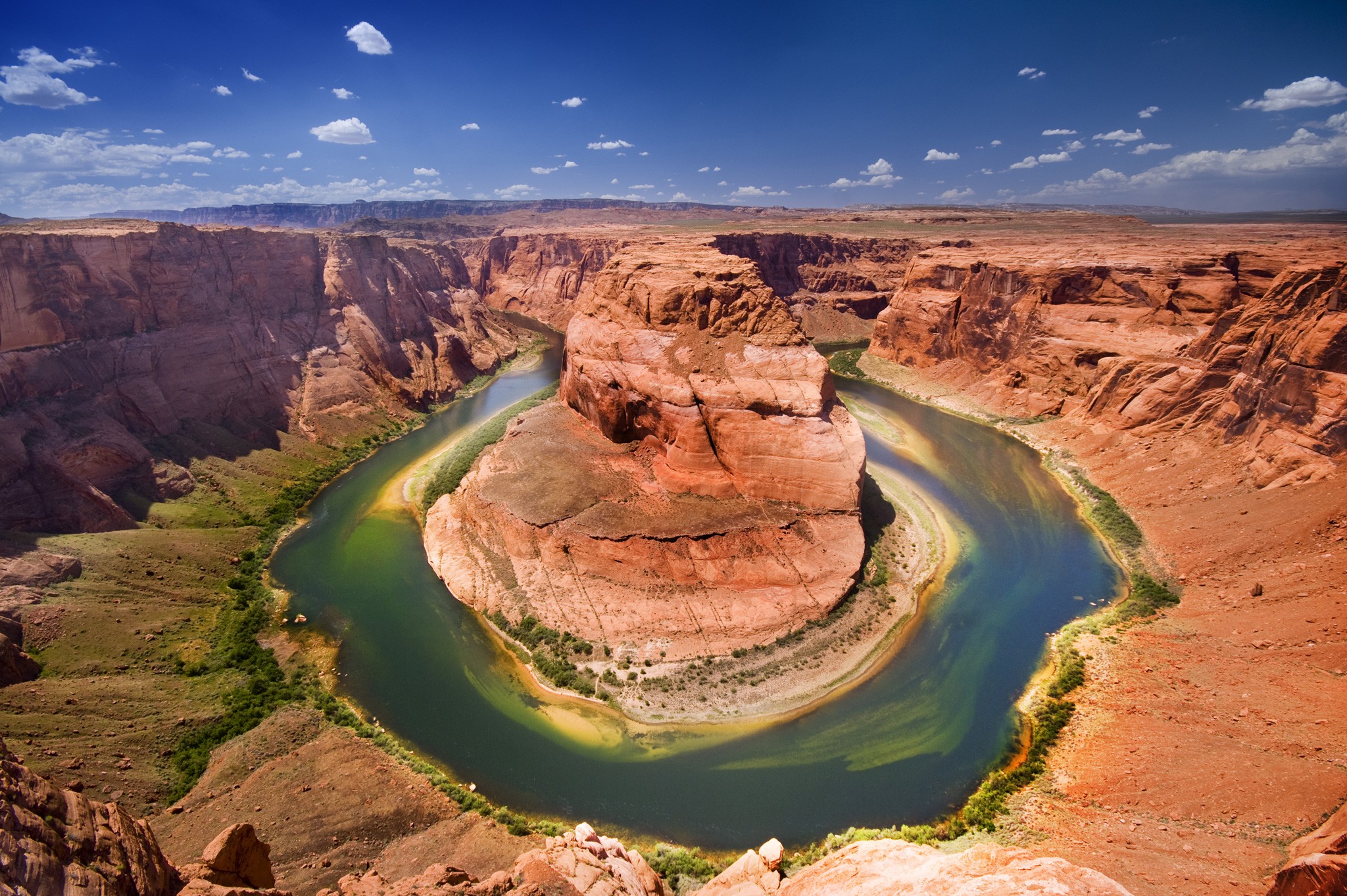
Utah National Parks
LAKE POWELL

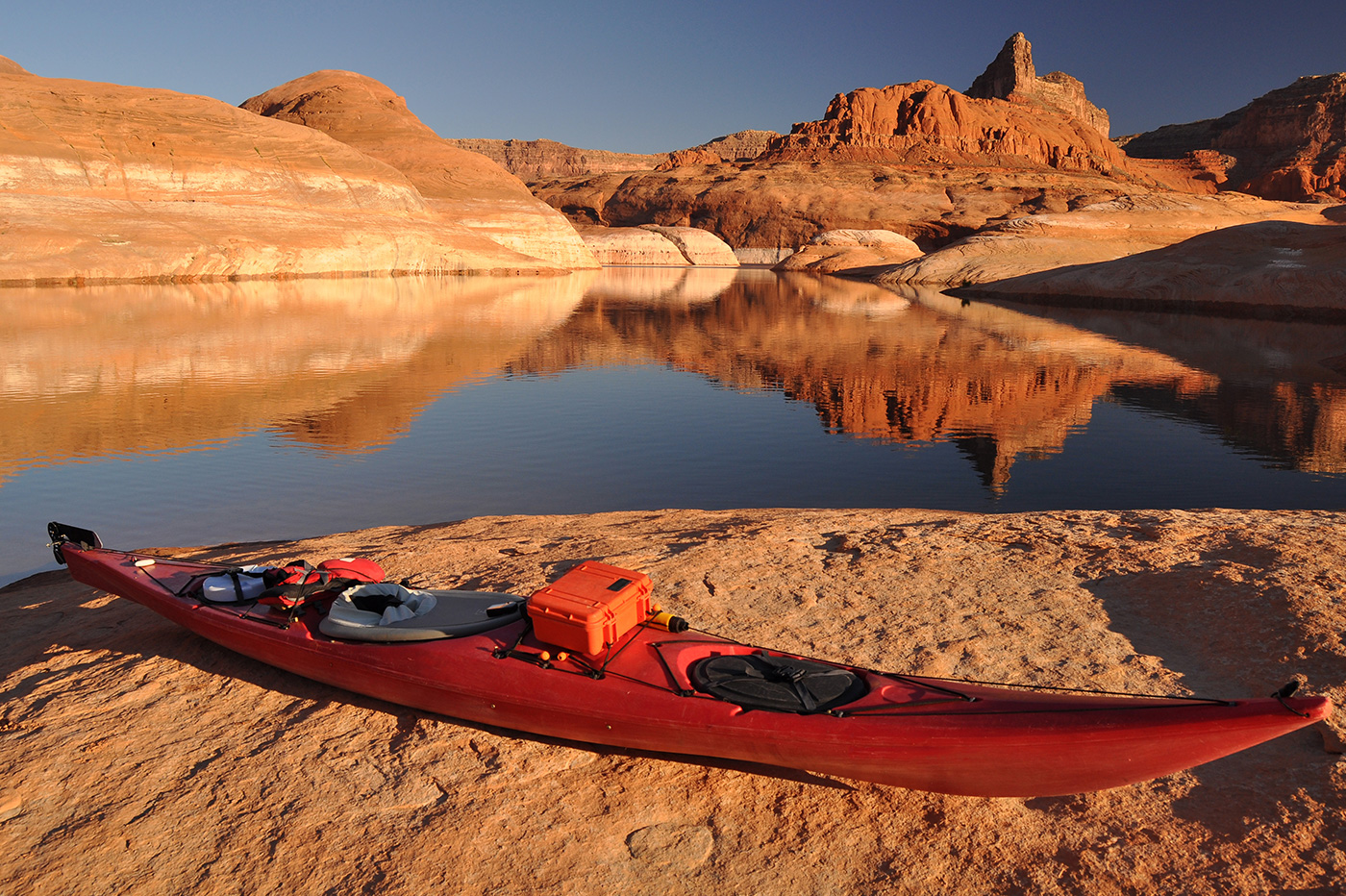
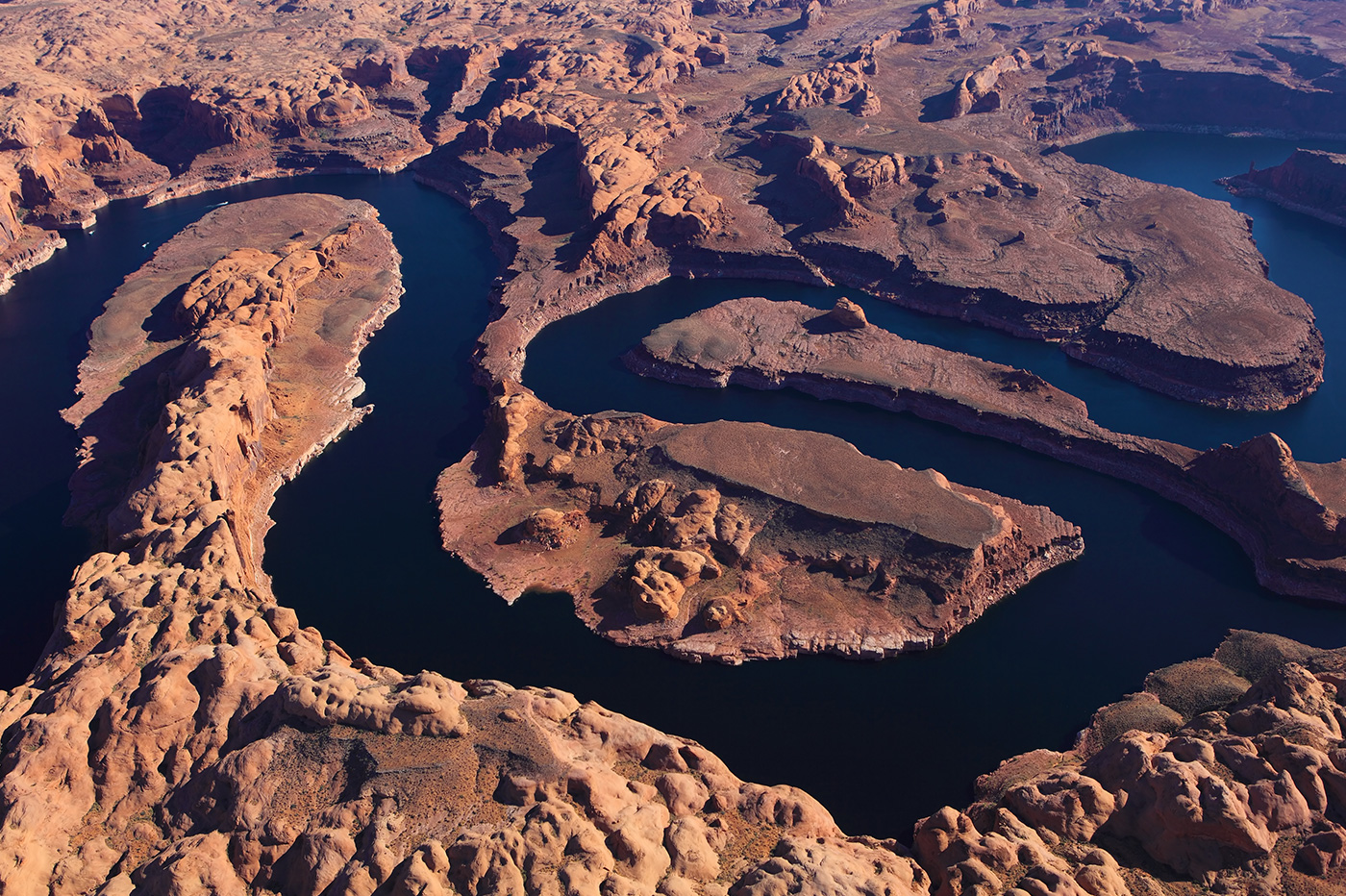
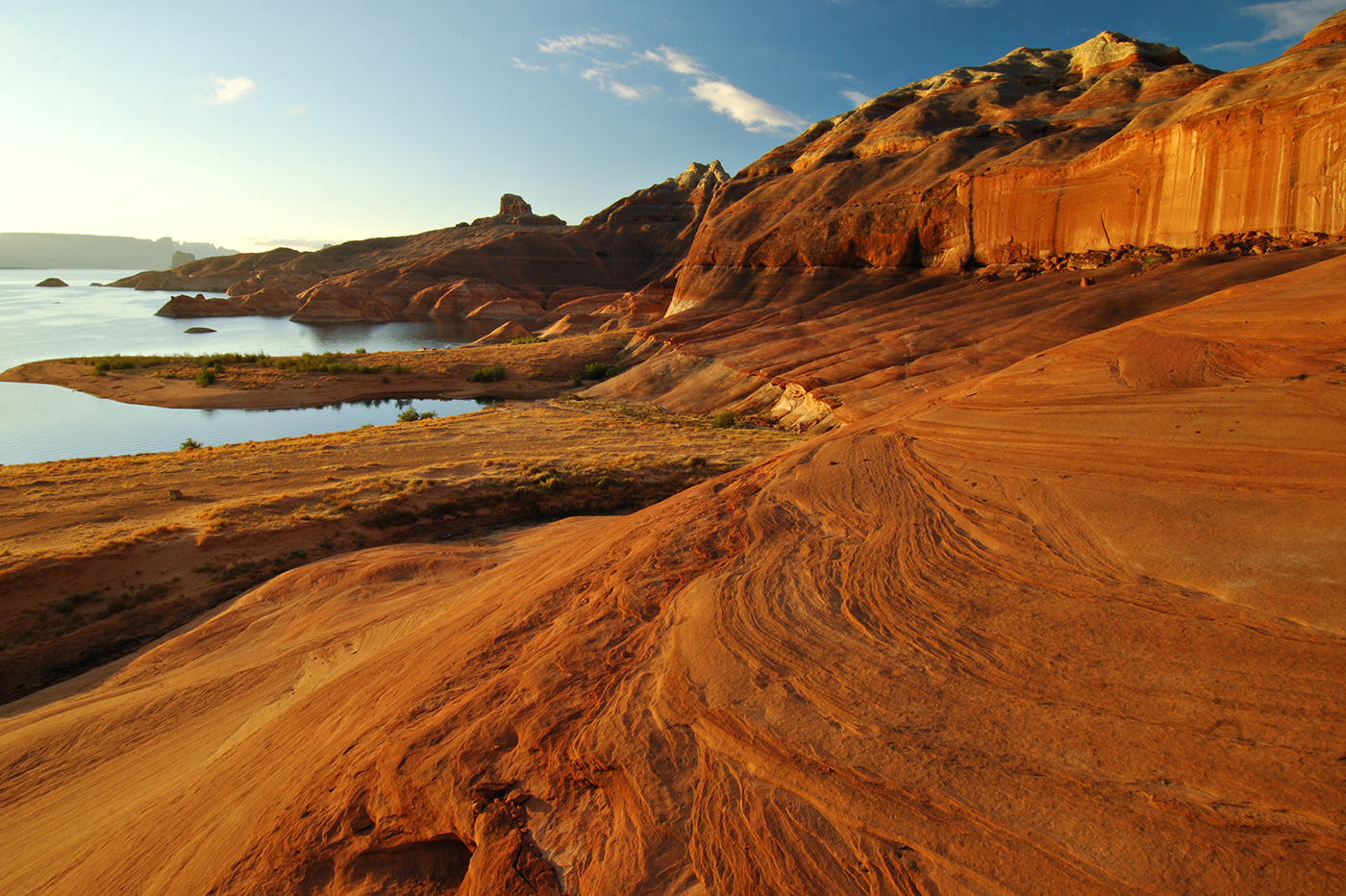
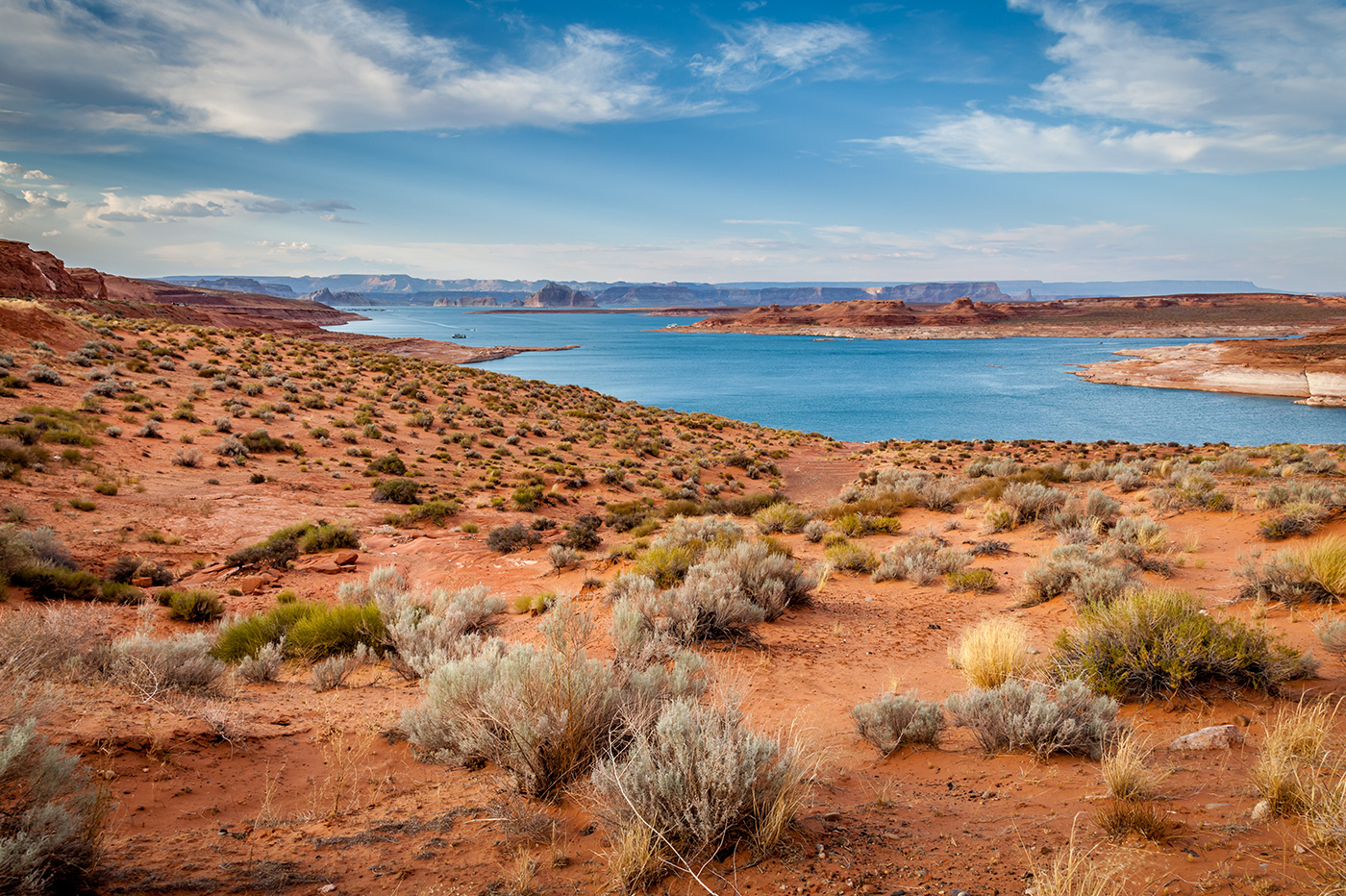
Lake Powell is actually the most popular attraction inside of Glen Canyon.
The lake is man-made and is a great place to go fishing, boating or swimming.Over 20 million people in the Southwestern United States depend on the lake for their water supply and economic well-being. The lake can store 24.3 million acre-feet of water, and through hydroelectricity generated as the water flows through the Glen Canyon Dam. The water is also used in agricultural operations, allowing the southwestern states to grow healthy fruit and vegetables. Glen Canyon also offers many recreational activities, such as riding ATV’s, going fishing, boating, or water-skiing, hiking, swimming and scuba diving. There are also guided tours available and a boat that will take visitors to the Rainbow Bridge.
While there are many trails in Glen Canyon, few are marked and many have limited accessibility. Entrances to the Escalante Canyons are found along Hole-in-the-Rock Road. There are also a few trails that begin in Lee’s Ferry. The River Trail is a short and easy path and the Cathedral Canyon Trail leads adventurers to the Cathedral Rapids on the Colorado River. Hikers wishing to conquer Glen Canyon should be in good physical condition and come prepared.
Lake Powell was born of Glen Canyon Dam, which was built near Lee’s Ferry on the Colorado River. The lake was named in memory of Civil War veteran and explorer John Wesley Powell, who had discovered the area in 1852. Construction of the dam began in 1957 and the structure, towering 710 feet over the Colorado River, was finished in 1963. The lake now makes the Rainbow Bridge National Monument accessible, whereas before it was a long, miserable waterless hike or horseback ride. The monument is now accessible via a two hour one-way boat ride.
Before the dam was built, the area rivers pounded their way through the canyons on their way to Lake Mead. As much of the canyon is made of fragile sandstone, the rivers carried the silt with them, drastically changing the landscape and wiping out anything in their path. As the high country erodes, the canyon walls and vegetation fall into the river. It is a continuing process that is part of any river system. With the building of the dam came the still waters of the lake and the preservation of the canyons.
Due to the amount of silt and the constant flooding of the canyons, plant life in the area was limited. The only plants that could survive in the had to be extremely resilient and able to live without water for long periods of time, and live surrounded by it for long periods of time. One such tree is the Fremont Cottonwood, which is commonly found in river communities. Other plants which are found living in Glen Canyon are the globemallow, the prickly pear cactus, Gambel oak, maidenhair fern, poison ivy, monkey flowers, redbud and showy, white columbine flowers, and the pinion pine.
Fishing is one of the activities Lake Powell is most known for. A huge variety of fish live in the lake, including the Colorado pikeminnow, bonytail chub, humpback chub, humpback sucker, all of which were endangered, threatened or rare before the dam was built. The U.S. Fish and Wildlife Service introduced many other fish to the lake, such as the striped bass, small-mouth and large-mouth bass, black crappie, sunfish, walleye, threadfin shad, crawdads, carp, trout and freshwater clams. The large fish population attracted many birds who to the lake to feed, and as a result, the avian population has grown significantly. Even our national symbol, the Bald (or American) Eagle is a regular visitor to the lake. Other birds that visit the canyon regularly are the Golden Eagle, the Peregrine Falcon, doves, swallows and swifts (which are prey for the Peregrine). Both the Peregrine Falcon and the Bald Eagle are endangered, but analysts say that the creation of Lake Powell and the fact that the surrounding areas are no longer vulnerable to flooding is aiding in the re-population of the birds and their possible removal from the endangered list. Other birds brought to the lake by the clear, nutrient-rich plankton the dam has helped to create are geese, ducks, grebes, gulls terns and other shore birds.
For information on specific areas, current conditions and safety tips, contact the NPS at (928) 608-6404.
We do not offer recommendations on any roads or activities. We do recommend that you check road conditions if you choose to set out for any scenic drive or hike by contacting the corresponding visitor center, state tourism office or the BLM. Roads may be slippery when wet, and weather may call for extra water, food, clothing or appropriate camping gear. Do not touch or attempt to feed any wildlife you come across, and ask federal or state officials before removing any fossils or artifacts, because in some areas a hefty fine can be imposed. Please be prepared for any emergency. Many of these areas are quite remote and cell phone service is limited. Have a safe and fun journey!